
At a glance
- Client: A vehicle-integrated solar technology company
- Sector: Solar / transport
- Region: Germany and the EU
- Service: Market research and lead generation
The challenge
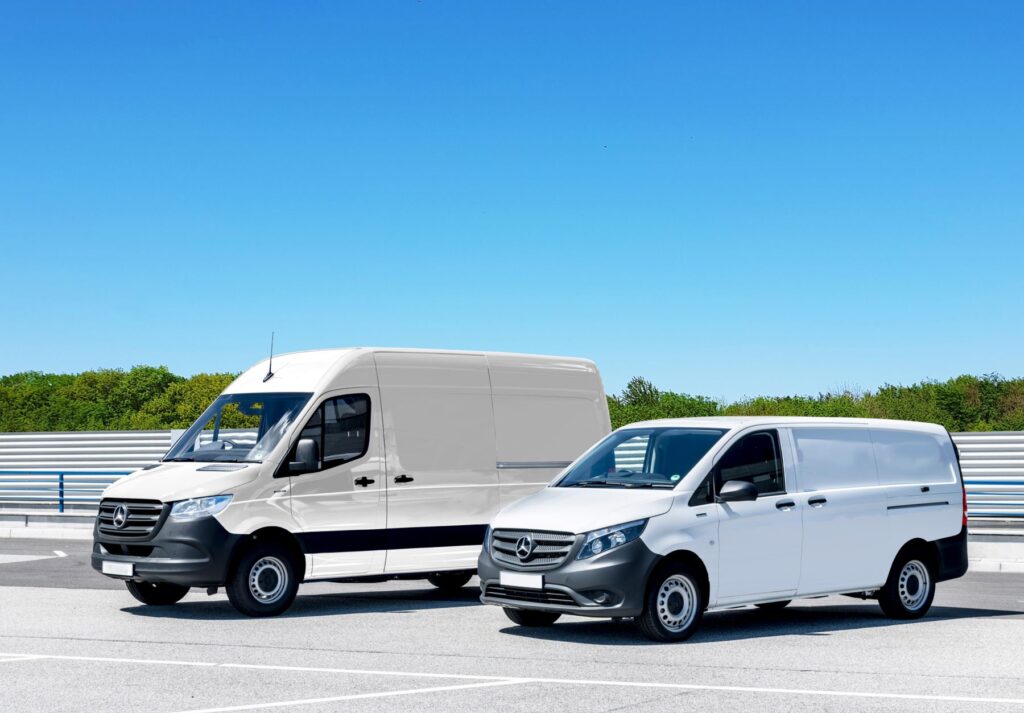
The client works on photovoltaic systems that integrate into vehicles and wanted to understand the European market, especially Germany, for solar products fitted to vehicles such as refrigerated delivery vans. It needed the market size and customer segments, a view of the competition and its pricing, the policy and certification rules that apply, and a list of qualified leads to start approaching. The brief set a target of at least 75 qualified leads in Europe, mainly in Germany.
What we did
- Secondary desk research triangulating published industry reports, government sources, company websites, press releases and news coverage.
- Sized the global solar vehicle market and reviewed the European and German context, including EV adoption in Germany and the potential of vehicle-integrated PV on cars, buses and light commercial vehicles.
- Segmented customers into B2B groups (public transport providers, refrigerated transport services, logistics providers, last-mile delivery and vehicle rental) and B2C buyers, with their buying considerations.
- Profiled six solar-vehicle companies from Germany, the Netherlands, Norway and the United States: overview, target segments, products and services, marketing and pricing.
- Compared published vehicle prices and partnership models, and reviewed emerging trends such as solar public transport and solar integration with EV charging.
- Reviewed German climate and transport policy, subsidies, and EU and German certification and type-approval requirements.
- Listed relevant industry events and ran a gap analysis of the vehicle-integrated solar market.
- Built a leads database covering refrigerated vehicle builders, commercial vehicle manufacturers, logistics and cold-chain operators and public transport operators.
What we delivered
A market research report of about 51 pages and a leads database of 107 contact rows, against a brief that asked for at least 75 qualified leads.
Market research report
Word report · about 51 pages
- Executive summary and scope
- Market overview: market size and growth, segmentation, energy-as-a-service models
- Customer profiles: trends, B2B and B2C behaviour and preferences
- Competitive analysis: overview table and in-depth profiles of six competitors
- Pricing analysis and emerging trends in solar transport
- Regulatory environment: German policy, EU and German certification and compliance
- Industry events and market gap analysis
- Strategic recommendations for market entry and competitive advantage
- References
Leads database
Spreadsheet · 107 rows
- Columns: ID, company or organisation name, region, brief description or focus area, contact person, position, contact information
- Several companies have more than one contact listed
- Leads tagged by region (Germany or wider EU)
- Covers refrigerated vehicle and refrigeration equipment makers, truck and bus manufacturers, logistics and temperature-controlled transport firms, and public transport operators
What we found
- Most solar vehicle offerings on the market are passenger cars, leaving a gap for solar integration in trucks, vans and public transport.
- The report recommended diversifying beyond passenger vehicles into trucks, vans and public transport, where only two of the profiled competitors offer solar solutions.
- Strategic alliances with industry peers, research institutions and technology providers, including pilot projects inside partner fleets, were recommended as a way to speed up innovation and reach.
- Continuous innovation in solar technology, covering efficiency and the look of PV integration, was identified as a basis for competitive advantage.
- Clear branding and consumer education on cost savings and environmental impact were recommended to build trust and drive adoption.
- For refrigerated transport, integrating PV on the roofs of refrigerated trucks or trailers can improve energy efficiency, but depends on the reliability and efficiency of the integration.
In numbers
- The global solar vehicle market was valued at USD 383.4 million in 2022 and is projected to reach USD 1,658.6 million by 2030, a CAGR of 20.2% (Fortune Business Insights, Precedence Research).
- In December 2023, EVs took 55% of the German car market, with full electrics at 33.2% and plug-in hybrids at 22.2% (Cardino).
- Electric vehicles with solar panels are predicted to account for 10% of the market by 2030, and over 30 truck trailers in Europe already carry roof-mounted solar cells.
- Germany has 4,878 bus companies (Bold Data).
- The global energy-as-a-service market is expected to grow from USD 70.46 billion in 2022 to USD 147.56 billion by 2029, a CAGR of 11.1%.
- More than 74% of German survey respondents expressed significant concern about climate change, and 68% expect companies to act in an environmentally responsible way (GfK).